
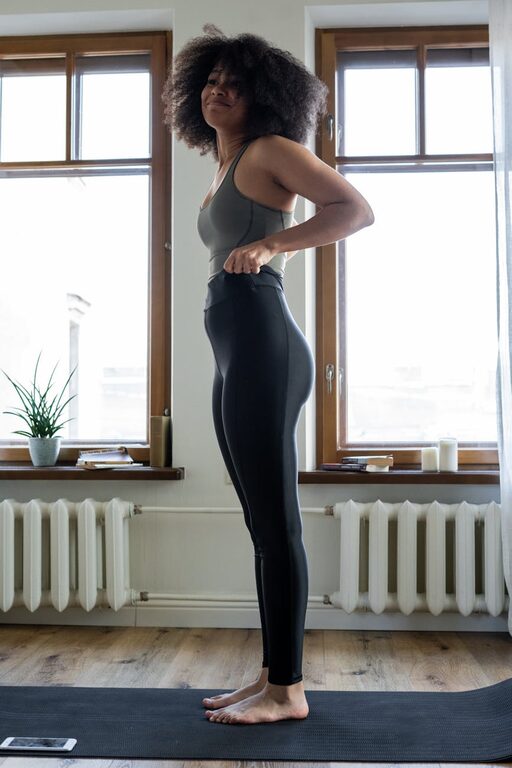
Stretching is a simple yet powerful practice that can enhance your physical well-being in many ways. Whether you’re looking to increase flexibility, ease muscle tension, or simply add a calming routine to your day, stretching at home is an accessible and effective option. This beginner’s guide will walk you through the basics of stretching, offer easy-to-follow tips, and provide a few sample stretches to get you started comfortably and safely.
Why Stretching Matters
Stretching helps improve your range of motion and flexibility, which can lead to better posture and reduce the risk of injuries. It’s also a great way to relieve muscle tightness, especially if you spend long hours sitting or doing repetitive tasks.
Other benefits include:
– Enhanced circulation
– Reduced muscle soreness
– Increased body awareness
– Stress relief and relaxation
The good news is you don’t need fancy equipment or lots of space to start stretching. A simple mat or towel and some comfortable clothes are enough to begin.
When and How to Stretch
Best Times to Stretch
– After waking up: Stretching in the morning helps gently wake your body.
– Before or after exercise: Prepares muscles for movement and aids recovery post-activity.
– During breaks: Taking short stretch breaks during the workday can reduce stiffness.
– Before bed: A calming stretch routine can promote better sleep.
Stretching Tips for Beginners
- **Warm up first:** Stretching cold muscles can cause injury. Do light activity such as walking or marching in place for 5 minutes.
- **Move into stretches slowly:** Avoid bouncing or jerky movements. Ease into each stretch until you feel mild tension, not pain.
- **Hold steady:** Aim to hold each stretch for 15–30 seconds.
- **Breathe deeply:** Maintain slow, steady breath to relax muscles.
- **Stretch both sides:** For balanced flexibility, stretch both your left and right limbs.
- **Listen to your body:** It’s normal to feel a gentle stretch sensation, but sharp or intense pain means stop and adjust.
Simple Stretches to Start With
Here are five beginner-friendly stretches you can do at home without special equipment.
1. Neck Stretch
– Sit or stand with your back straight.
– Slowly tilt your head to the right, bringing your ear toward your shoulder.
– Hold for 20 seconds and repeat on the left side.
– Gently roll your head forward and backward for added mobility.
2. Shoulder Rolls
– Sit or stand with arms relaxed at your sides.
– Slowly roll your shoulders forward in a circular motion for 10 repetitions.
– Reverse direction and roll your shoulders backward for 10 repetitions.
– This helps release tension and improves shoulder flexibility.
3. Seated Forward Bend
– Sit on the floor with your legs extended straight ahead.
– Keep your back straight and slowly bend forward at the hips.
– Reach your hands toward your feet, ankle, or shins—wherever comfortable.
– Hold for 20–30 seconds, breathing deeply.
4. Cat-Cow Stretch
– Start on your hands and knees with wrists aligned under shoulders and knees under hips.
– Inhale: Arch your back, lift your head and tailbone toward the ceiling (Cow pose).
– Exhale: Round your back, tuck your chin toward your chest and tuck the tailbone (Cat pose).
– Repeat for 8–10 slow cycles for spine mobility.
5. Standing Quadriceps Stretch
– Stand tall and hold onto a sturdy surface for balance if needed.
– Bend your right knee and bring your heel toward your buttocks.
– Grab your ankle with your right hand and gently pull to feel a stretch in the front of your thigh.
– Hold for 20 seconds, then switch legs.
Building a Stretching Habit
Consistency is key to seeing and feeling the benefits of stretching. Here are some ideas to make stretching a regular part of your day:
– Set a daily reminder on your phone.
– Create a short routine of 5–10 minutes.
– Stretch while watching TV or listening to music.
– Combine stretching with mindfulness or deep breathing exercises.
– Track your progress and celebrate improvements.
When to Seek Help
If you experience persistent pain or discomfort during stretching, or have existing injuries or health conditions, it’s wise to consult a healthcare or fitness professional. They can provide tailored guidance to keep you safe and comfortable.
Final Thoughts
Stretching at home is an easy, enjoyable way to improve your flexibility and support your overall health. Start with gentle movements that feel good, be patient with your progress, and embrace the moments of calm and connection with your body. Over time, these small steps can make a big difference in how you feel every day.
Happy stretching!