
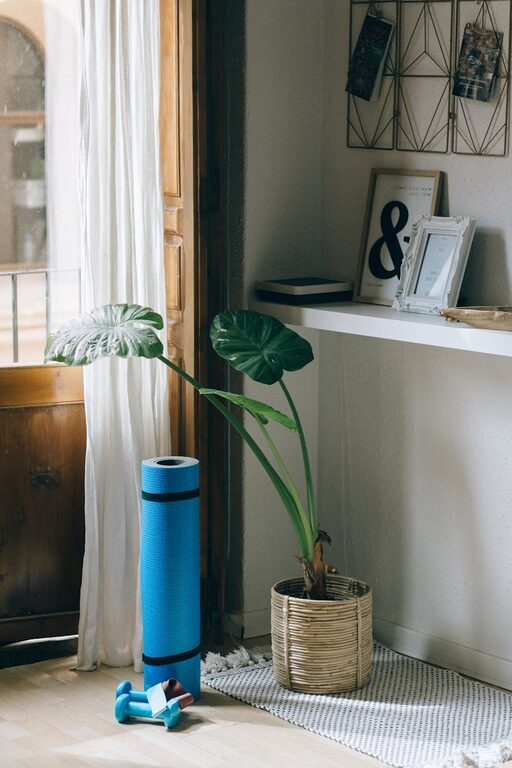
Creating a dedicated workout corner at home can be a game-changer for your fitness routine. Whether you have a spare room, a small nook, or even just a bit of floor space, setting up a simple and functional workout area helps you stay motivated and consistent. In this post, we’ll guide you through the steps to build your own workout corner with ease, focusing on space, equipment, and keeping it budget-friendly.
Why Build a Workout Corner at Home?
Before diving into the “how,” it’s useful to consider the “why.” Here are some benefits of having a workout corner:
– Convenience: No need to commute to the gym.
– Privacy: Feel comfortable exercising in your own space.
– Consistency: Having a dedicated spot reminds you to stick to your routine.
– Cost-effective: Avoid monthly gym fees by investing once in affordable equipment.
Even a small space can be transformed into an inspiring fitness zone. Let’s explore how!
Step 1: Choose the Right Location
Finding the right spot is the foundation of your workout corner. Here’s what to look for:
– Space: At minimum, you need enough room to lie down flat and stretch out your arms fully. For most exercises, about 5×5 feet works well.
– Lighting: Natural light is best for energy, but a well-lit area with lamps will do.
– Ventilation: Fresh air keeps you comfortable during workouts.
– Privacy: A quiet spot where you won’t be interrupted helps maintain focus.
Common areas include a corner of the living room, a bedroom nook, or an empty part of the basement or garage. Choose a place you enjoy being in.
Step 2: Prepare the Space
Once you pick the spot, prepare it for workouts:
– Clean and declutter: Clear out unnecessary items to make space.
– Flooring: Consider a yoga mat, foam tiles, or carpet for cushioning and support.
– Mirror (optional): A wall mirror can help with exercise form.
– Storage: Keep a small basket or shelf nearby for equipment.
Keeping your workout corner tidy and inviting will encourage regular use.
Step 3: Select Basic Equipment
You don’t need a lot of gear to get started. Here are essentials for a versatile workout corner:
– Yoga mat: For floor exercises, stretches, and core work.
– Resistance bands: Great for strength training without heavy weights.
– Dumbbells or kettlebells: Start with light weights and increase as you progress.
– Jump rope: Excellent for cardio in a small space.
– Stability ball or BOSU: Helpful for balance and variety (optional).
– Small storage rack: To neatly organize equipment.
Buy only what fits your workout style and space. Many exercises can be done with body weight alone.
Step 4: Plan Your Workout Setup
Arrange your equipment for easy access and movement:
– Roll out your yoga mat in the main workout space.
– Place heavier items against a wall or in a corner.
– Keep smaller items like resistance bands and jump rope in a basket or drawer.
– If you use a mirror, position your mat so you can see yourself easily.
– Ensure there’s enough room to move freely without hitting furniture.
A well-organized corner helps you move seamlessly between exercises.
Step 5: Create a Motivating Environment
Your workout corner should inspire you to get moving. Here are some ideas:
– Add inspirational quotes or photos on the wall.
– Use a Bluetooth speaker or headphones to enjoy music or workout videos.
– Keep a water bottle and towel nearby to stay comfortable.
– Consider lighting options – bright for energy or soft for yoga and stretching.
– Track your progress using a small whiteboard or notebook.
Making the space enjoyable adds to your motivation and overall workout experience.
Step 6: Establish a Routine
Having the space is one thing; using it regularly is another. Tips to stay on track:
– Schedule workouts at consistent times.
– Start with short sessions and gradually increase duration.
– Mix types of exercise: strength, cardio, flexibility, and balance.
– Use apps or online videos for guided workouts.
– Set realistic goals and celebrate progress.
Your workout corner is a tool – the habit of showing up matters most.
Bonus Tips for Small Spaces
If your area is very limited, try these:
– Use foldable mats or equipment you can easily store.
– Opt for multi-purpose gear like adjustable dumbbells or resistance bands.
– Push furniture aside temporarily during workouts.
– Exercise using bodyweight moves that need no equipment.
– Make use of vertical space with hooks or shelves for gear storage.
Even a tiny corner can become your personal fitness zone!
Final Thoughts
Building a simple workout corner at home doesn’t need to be complicated or expensive. With thoughtful location choice, minimal equipment, and a motivating setup, you can create a space that supports your health goals. Remember, consistency is key, so design your workout corner in a way that makes you want to come back day after day.
Start small, stay flexible, and enjoy the process of making fitness a natural part of your daily life right at home!