
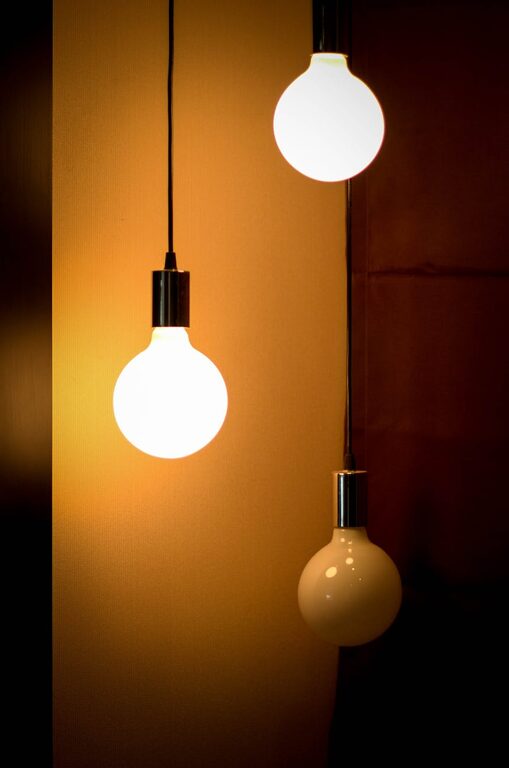
Creating a comfortable atmosphere in your home starts with the right lighting. Good lighting not only brightens your space but also influences your mood, productivity, and overall sense of wellbeing. Whether you’re redesigning a room or just updating your bulbs and fixtures, choosing comfortable home lighting involves more than picking the brightest lamp. In this post, we’ll explore practical tips to help you select lighting that blends style, function, and comfort.
Why Comfortable Lighting Matters
Lighting affects how you experience every room. Too harsh or too dim lighting can cause eye strain, headaches, or disrupt relaxation. Conversely, well-chosen lighting supports your activities, highlights your decor, and creates a warm ambiance. Understanding how different types of light impact your space and mood is the first step toward creating a comfortable environment.
Understand the Basics of Lighting
Before picking fixtures, it’s helpful to know the key elements of lighting:
– Brightness: Measured in lumens, brightness determines how much light a bulb emits. Higher lumens mean brighter light.
– Color Temperature: Measured in Kelvins (K), color temperature affects the tone of light. Warm light (2700K-3000K) feels cozy, while cool light (4000K and above) is more energizing.
– Lighting Layers: Use a mix of ambient (general), task (focused), and accent (decorative) lighting for a balanced effect.
Tips for Choosing Comfortable Lighting
1. Opt for Warm White or Soft White Bulbs
Warm white bulbs (2700K-3000K) cast a gentle, yellow-toned light that feels inviting and soft. This color range works well for living rooms, bedrooms, and dining areas where you want to relax and unwind. Soft white lighting helps reduce eye fatigue and creates an overall cozy vibe.
2. Use Adjustable Lighting When Possible
Dimmers and adjustable lamps let you control the brightness, allowing for more comfortable lighting at different times of day or activities. For example, bright light for reading or cooking, and dimmer light for watching TV or relaxing. Installing dimmer switches or smart bulbs can offer flexibility without extra hassle.
3. Layer Your Lighting
Relying on a single overhead light often results in uneven or harsh illumination. Instead, combine:
– Ambient lighting: Ceiling lights, chandeliers, or recessed fixtures for overall illumination.
– Task lighting: Desk lamps, under-cabinet lights, or reading lamps focused on specific activities.
– Accent lighting: Wall sconces, strip lights, or decorative lamps to highlight features or create mood.
This layered approach ensures comfortable, adaptable light throughout your home.
4. Choose Fixtures That Complement Your Space
Comfortable lighting is also about aesthetics. Select fixtures that match your room’s style and size. Large, bright fixtures can overwhelm small spaces, while tiny lamps might under-light larger rooms. Consider materials and shapes that diffuse light softly, such as frosted glass or fabric lampshades, to reduce glare.
5. Avoid Glare and Harsh Shadows
Glare from exposed bulbs or direct light sources can cause discomfort. Use lampshades, diffusers, or indirect lighting to soften the light. Position lights thoughtfully to minimize harsh shadows on your work surfaces or seating areas.
6. Consider Natural Light
Maximize daylight by keeping windows clear and using sheer curtains. Natural light is easier on the eyes and boosts mood. When planning artificial lighting, think about how it supplements or balances natural light during darker hours.
7. Pay Attention to Bulb Quality and Type
LED bulbs are energy-efficient, long-lasting, and come in a variety of color temperatures. Look for bulbs with a high Color Rendering Index (CRI) of 80 or above; these bulbs show colors more accurately and improve visual comfort.
Room-by-Room Lighting Suggestions
Living Room
This is often the central space for relaxation and socializing. Use warm white ambient lighting combined with floor or table lamps for task lighting during reading or hobbies. Consider accent lighting such as wall sconces to enhance artwork or architectural features.
Kitchen
Functional and bright lighting is necessary here. Bright ambient or cool white task lighting over countertops and cooking areas helps with visibility. Avoid harsh shadows by placing multiple light sources at appropriate heights.
Bedroom
Soft, warm lighting creates a restful retreat. Bedside lamps with warm bulbs and dimmers allow for gentle light when winding down. Avoid harsh ceiling lights directly over the bed.
Home Office
Since this is a workspace, favor bright task lighting with a cooler color temperature (3500K-5000K) to enhance focus. Combine with ambient light to reduce eye strain.
Final Thoughts
Choosing comfortable home lighting is about balancing function, style, and warmth. By understanding lighting basics, layering sources, and selecting appropriate color temperatures, you can create inviting spaces tailored to your needs. Remember, flexible and adjustable lighting solutions provide the most comfort as your activities and preferences change through the day.
With these tips, your home lighting will not only illuminate but also uplift your everyday living experience. Happy lighting!